Follow Me On Social Media!

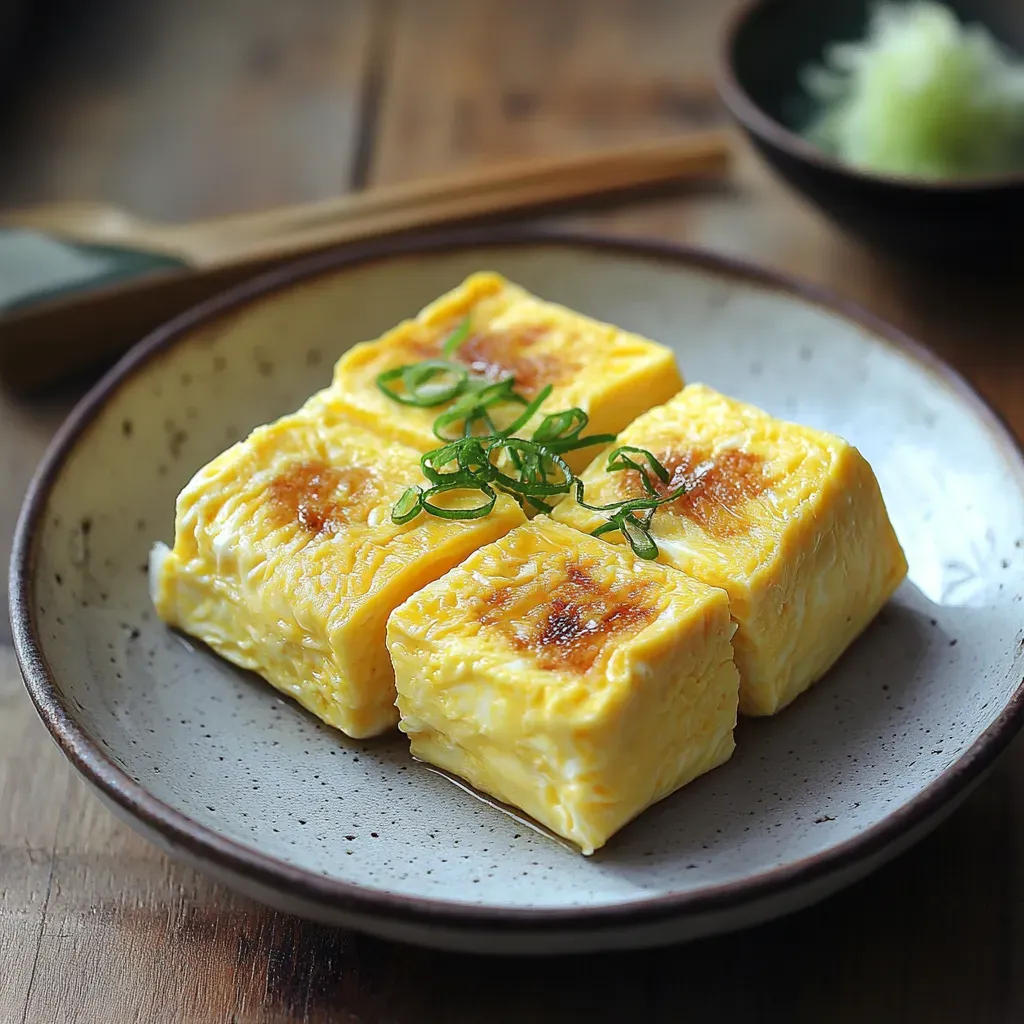
If you’re looking to master the art of Japanese cooking, there’s nothing quite like the delicate dance of creating a Tamagoyaki Rolled Omelette. The secret lies in the balance of heat, timing, and technique. As someone who cherishes the peaceful rhythm of crafting those golden layers, I can attest that each roll of this omelette is a work of culinary art that’s as visually stunning as it is delicious.
Last Sunday, as I prepared a Japanese-themed breakfast featuring Tamagoyaki, the mesmerizing sight of each layer seamlessly coming together captured everyone’s attention. The key? Understanding the intricate interplay of heat and timing to achieve that custardy perfection. It’s a skill that requires practice, patience, and a deep appreciation for the process.
In Japanese cuisine, Tamagoyaki isn’t just a dish; it’s a symbol of a chef’s prowess and attention to detail. With each region infusing its unique touch, this rolled omelette showcases the simplicity and precision that define Japanese cooking. Whether you savor it warm or at room temperature, each bite is a testament to the artistry behind this humble yet exquisite creation. So, fire up your pan, whisk up some eggs, and embark on a culinary journey that celebrates the beauty of Tamagoyaki Rolled Omelette.
Quick Benefits
- Culinary Skill Development: Making tamagoyaki teaches important cooking basics such as handling heat, understanding protein setting, and building muscle memory through technique repetition.
- Cultural Appreciation: Tamagoyaki offers a glimpse into Japanese food culture, showcasing regional variations and the importance of attention to detail in culinary arts.
- Patience and Precision: Crafting each layer of tamagoyaki requires patience and precision, helping to enhance cooking techniques and appreciation for simple ingredients.
- Versatility: Tamagoyaki can be enjoyed as a standalone dish, incorporated into fusion recipes, or served hot or at room temperature, making it a versatile addition to any meal.
Why You’ll Love This Fluffy Japanese Tamagoyaki Recipe Recipe
- Unique Flavor Profile: The combination of Japanese soy sauce, mirin, sake, and dashi creates a complex umami flavor that sets this omelette apart from traditional Western omelettes.
- Culinary Artistry: The process of rolling and layering the omelette requires skill and precision, making it a visually stunning dish that will impress your guests.
- Cultural Experience: Embrace the Japanese food culture and tradition by mastering the art of making tamagoyaki, a dish that holds significance beyond just being a meal.
- Cooking Fundamentals: This recipe teaches important cooking techniques like temperature control, layering, and timing, helping you build a strong culinary foundation.
- Versatile Dish: Enjoy tamagoyaki for breakfast, lunch, or dinner, or use it as an ingredient in fusion dishes to elevate the overall flavor profile.
- Sensory Experience: The custardy texture, golden layers, and savory-sweet taste of tamagoyaki engage all your senses, making it a delightful dish to savor.
- Cooking Meditation: The rhythmic process of building each layer of the omelette can be a meditative experience, allowing you to appreciate the beauty of simplicity in cooking.
Ingredients for Fluffy Japanese Tamagoyaki Recipe
- Get yourself Japanese soy sauce, mirin, and sake for that real authentic flavor.
- Try different seaweeds to add as garnishes and flavor boosters.
- Have kombu seaweed and katsuobushi flakes on hand to make your own dashi.
Pro Tips for Fluffy Japanese Tamagoyaki Recipe
To achieve the perfect tamagoyaki, focus on mastering the heat control. Start with medium-low heat and adjust as needed to ensure each layer cooks gently without browning. Testing the pan’s temperature with a small drop of egg mix is a smart pro tip to gauge if it’s at the right heat level.
When constructing your tamagoyaki layers, take your time to build each one with care. Using chopsticks or a spatula, gently fold the egg over itself to create seamless connections between layers. Letting each layer set for about 30-45 seconds and allowing the final roll to rest for five minutes before slicing ensures a custardy texture and optimal flavor.
Understanding the cultural significance of tamagoyaki in Japanese cuisine can elevate your cooking experience. Use this dish not only as a delicious meal but also as a way to hone your cooking skills, appreciate the art of precision, and gain confidence in the kitchen.
How to Make Fluffy Japanese Tamagoyaki Recipe
Step 1: Prepare Dashi
In a small bowl, mix the dashi powder with warm water until dissolved.
Step 2: Make Egg Mixture
Combine eggs with sugar and salt, then mix in dashi, mirin, and soy sauce until smooth.
Step 3: Optional Straining
To achieve a smoother texture, strain the egg mixture through a fine sieve.
Step 4: Prepare Pan
Use a paper towel to evenly coat a heated tamagoyaki or small nonstick pan with oil over medium heat.
Step 5: Cook First Layer
Pour a thin layer of the egg mixture into the pan and cook until mostly set. Begin rolling it up.
Step 6: Build Layers
Continue layering the egg mixture thinly, rolling it up over the previous layer, and repeating the process. Oil the pan between each roll.
Step 7: Finish and Serve
Cut the roll into 1-inch slices and serve with grated daikon, optional.
📌 Pin for later!
Storage Tips
Once you have made your delicious Tamagoyaki rolled omelette, it’s important to store it properly to maintain its flavor and texture. After cooking, allow the omelette to cool to room temperature before storing it. You can wrap the Tamagoyaki in plastic wrap or aluminum foil and place it in an airtight container. Alternatively, you can cut it into individual slices and store them in a single layer in a container with a tight-fitting lid. Refrigerate the Tamagoyaki promptly to keep it fresh.
Tamagoyaki can be stored in the refrigerator for up to 2-3 days. To reheat, you can gently warm the slices in a nonstick pan over low heat or in the microwave for short intervals to avoid overcooking. Enjoy the Tamagoyaki warm or at room temperature for the best taste and texture. Remember that reheated Tamagoyaki may not be as fluffy as when freshly made, but it will still be flavorful and satisfying.
Ingredient Substitutions
If you don’t have Japanese soy sauce, you can substitute it with regular soy sauce, but use it in moderation as it may be saltier. For mirin, a combination of rice vinegar and sugar can work as a substitute to achieve a similar sweet and tangy flavor. If sake is not available, you can use dry sherry or white wine as alternatives for a similar depth of flavor in your tamagoyaki recipe.
If you don’t have kombu seaweed or katsuobushi flakes to make dashi, you can use instant dashi powder or a vegetable broth as a substitute. For garnishes and flavor boosters, you can try using nori strips, furikake seasoning, or even sesame seeds for a different texture and taste profile in your tamagoyaki. Be creative with the seaweed options you have on hand to add a unique touch to your dish while still enhancing the overall flavor.
Serving Suggestions
For a creative serving suggestion, try incorporating a variety of seaweeds as garnishes to enhance the flavors and textures of your tamagoyaki rolled omelette. Sprinkle some kombu seaweed and katsuobushi flakes on top for an umami-packed punch, or experiment with different seaweed varieties like nori or wakame for added depth of flavor. These nutrient-rich additions not only elevate the visual appeal of your dish but also bring an authentic taste of Japan to your table.
To take your tamagoyaki presentation to the next level, consider serving individual slices on a bed of mixed seaweed salad. This vibrant and refreshing side dish not only complements the savory flavors of the omelet but also adds a pop of color and freshness to your plate. The combination of the silky smooth tamagoyaki with the crisp, briny seaweed salad creates a delightful contrast in textures that will impress your guests and transport them to the heart of Japanese cuisine.
FAQs for Fluffy Japanese Tamagoyaki Recipe
What ingredients are essential for making an authentic Tamagoyaki rolled omelette?
To make an authentic Tamagoyaki rolled omelette, you will need Japanese soy sauce, mirin, sake, kombu seaweed, katsuobushi flakes, and different seaweeds for garnishing and boosting flavor.
Why is controlling the pan’s temperature crucial when making Tamagoyaki?
Controlling the pan’s temperature is crucial when making Tamagoyaki because it can make or break the dish. It’s recommended to start with medium-low heat and adjust as needed. The pan should be hot enough to set each layer quickly but cool enough to avoid browning.
How long should each layer of Tamagoyaki cook before adding the next one?
Each layer of Tamagoyaki should cook for about 30-45 seconds before adding the next layer. It’s important to let each layer firm up before rolling to create those beautiful, custardy layers in the omelette.
Why is it recommended to let the finished Tamagoyaki sit for five minutes before slicing?
It is recommended to let the finished Tamagoyaki sit for five minutes before slicing to allow the flavors to settle and the layers to set properly. This resting time will enhance the taste and texture of the rolled omelette.
Conclusion
As you continue to perfect your Tamagoyaki Rolled Omelette, remember that each layer you craft is a testament to your dedication and passion for cooking. The art of creating this Japanese delicacy goes far beyond just mixing ingredients – it’s about patience, precision, and the joy of mastering a culinary tradition.
Embrace the process and savor each step as you build those custardy layers with care and attention. Whether you’re serving it for breakfast or incorporating it into innovative dishes, let the beauty of Tamagoyaki Rolled Omelette inspire you to explore the artistry and flavors of Japanese cuisine.
So keep up the fantastic work in your kitchen, and let the delicious aroma of Tamagoyaki Rolled Omelette fill your home with warmth and satisfaction. Your culinary journey is a rewarding one, and each Tamagoyaki you create is a reflection of the skills and love you pour into your cooking. Enjoy every moment of it!
📌 Pin for later!
Fluffy Japanese Tamagoyaki Recipe
“Master the art of crafting layers of custardy goodness with this Tamagoyaki Rolled Omelette, a Japanese classic that blends simplicity with precision.”
Prep Time10 Minutes
Cook Time10 Minutes
Total Time20 Minutes
CuisineJapanese
Skill LevelEasy
Servings4 Servings (2 rolls)
Ingredients
- Get yourself Japanese soy sauce, mirin, and sake for that real authentic flavor.
- Try different seaweeds to add as garnishes and flavor boosters.
- Have kombu seaweed and katsuobushi flakes on hand to make your own dashi.
Instructions
-
Prepare Dashi: In a small bowl, mix the dashi powder with warm water until dissolved.
-
Make Egg Mixture: Combine eggs with sugar and salt, then mix in dashi, mirin, and soy sauce until smooth.
-
Optional Straining: To achieve a smoother texture, strain the egg mixture through a fine sieve.
-
Prepare Pan: Use a paper towel to evenly coat a heated tamagoyaki or small nonstick pan with oil over medium heat.
-
Cook First Layer: Pour a thin layer of the egg mixture into the pan and cook until mostly set. Begin rolling it up.
-
Build Layers: Continue layering the egg mixture thinly, rolling it up over the previous layer, and repeating the process. Oil the pan between each roll.
-
Finish and Serve: Cut the roll into 1-inch slices and serve with grated daikon, optional.